Manual vs Automated Bookkeeping: What Small Businesses Need to Know
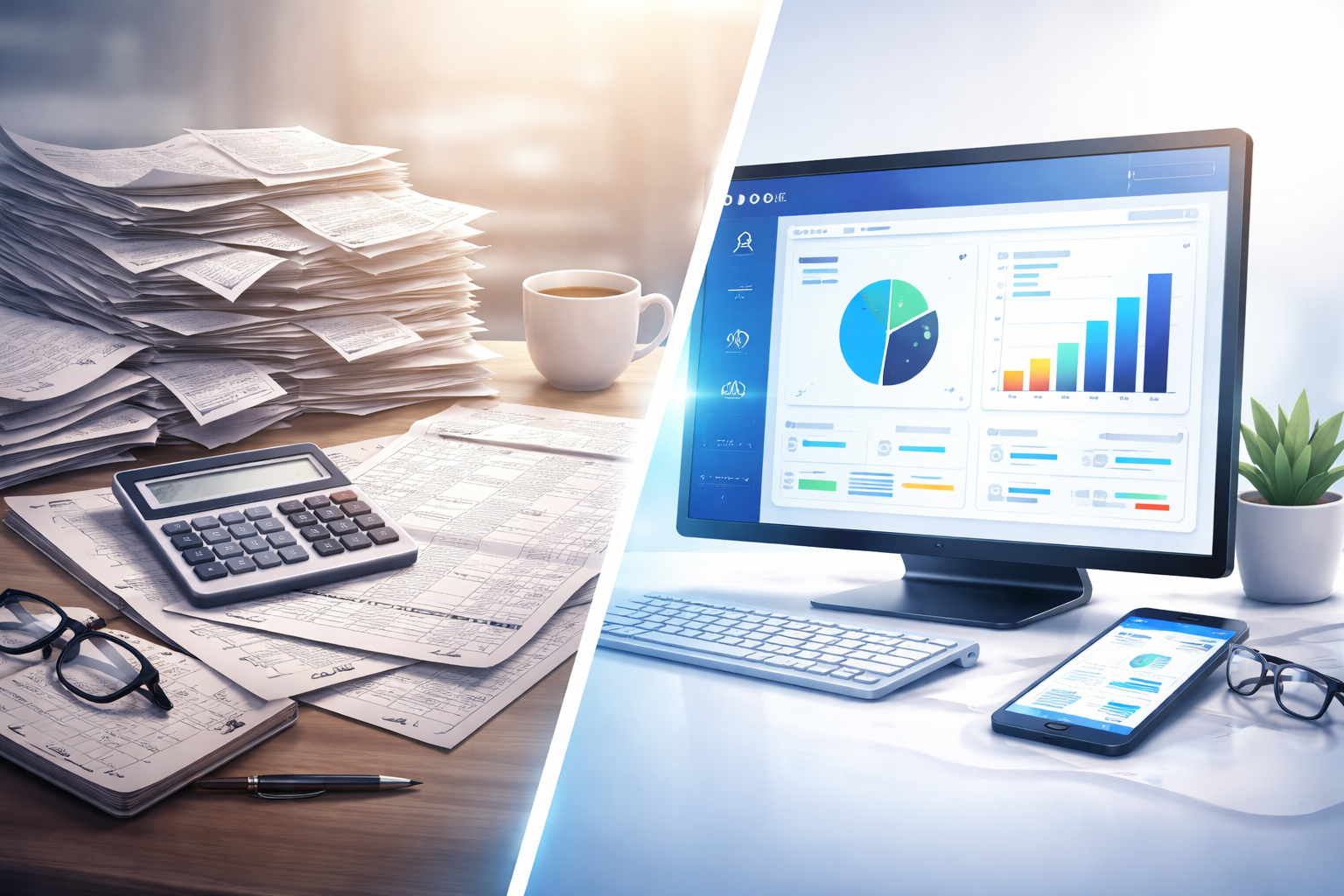
Choosing between manual and automated bookkeeping is one of the most important decisions for small business operations.
While manual bookkeeping may feel familiar, it often creates inefficiencies that slow growth and increase errors.
What is manual bookkeeping?
Manual bookkeeping involves entering, categorizing, and reconciling financial data by hand or through basic processes.
- Exporting reports
- Entering transactions manually
- Reconciling at month-end
Problems with manual bookkeeping
1. Time-consuming processes
Manual bookkeeping takes significant time that could be spent growing the business.
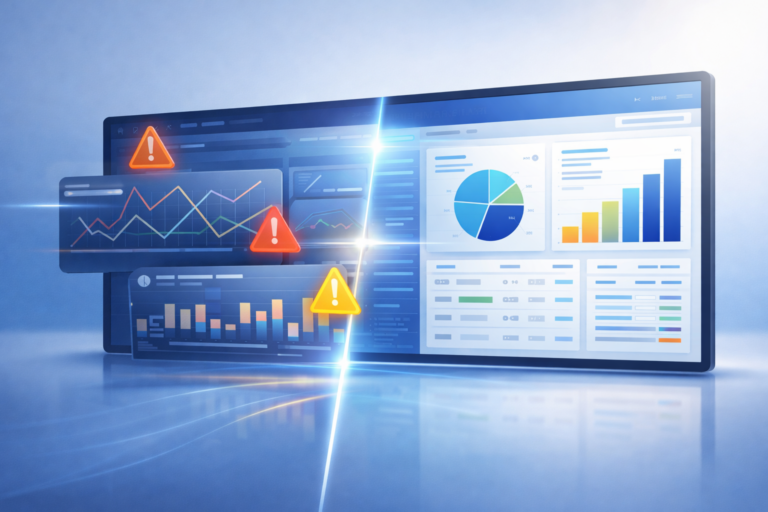
2. Higher risk of errors
Repetitive data entry increases the likelihood of mistakes.
3. Delayed insights
Financial data is often outdated, making it harder to make timely decisions.
4. Stressful reconciliation
Month-end cleanup becomes more difficult when issues accumulate.
What is automated bookkeeping?
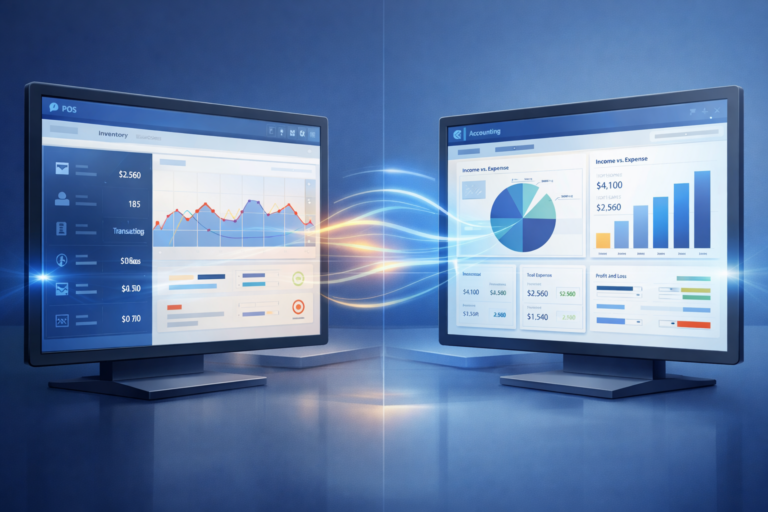
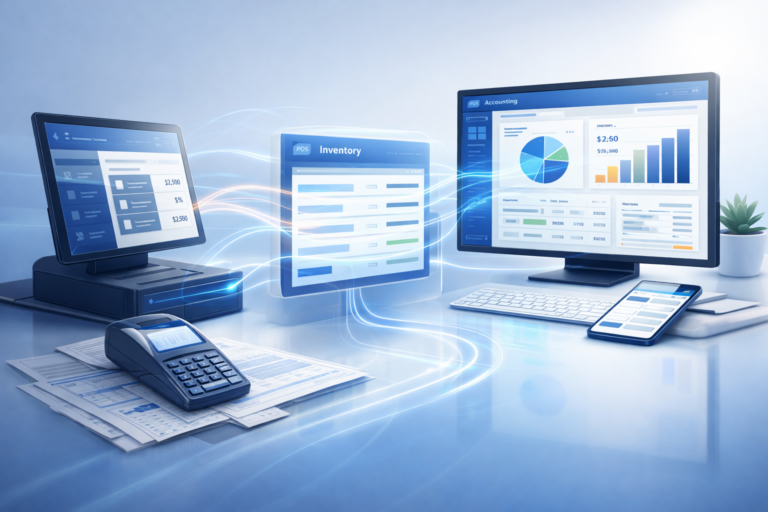
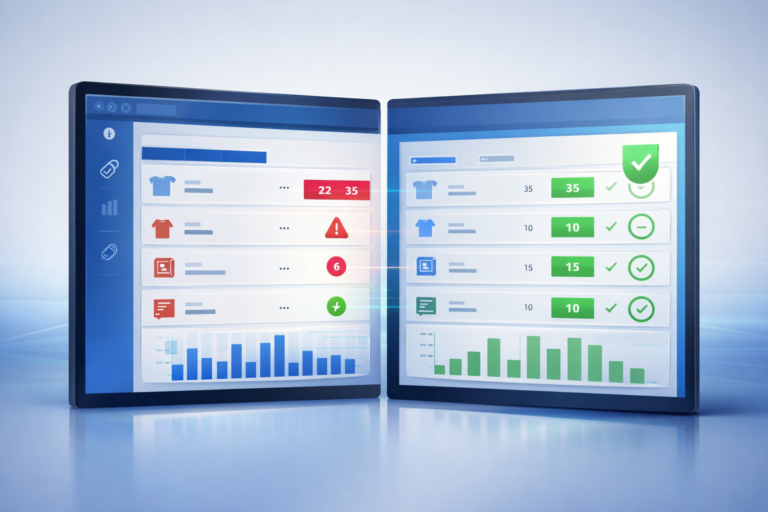
Automated bookkeeping uses integrations and software to sync financial data across systems in real time.
- Automatic data syncing
- Reduced manual entry
- Faster reconciliation
- Real-time reporting
Why automation matters
As businesses grow, manual bookkeeping becomes harder to maintain. Automation allows businesses to scale without increasing complexity.
How Brisk helps
Brisk helps businesses move from manual bookkeeping to automated systems that reduce workload and improve financial clarity.
Final thoughts
Manual bookkeeping may work early on, but automation provides the speed, accuracy, and visibility needed for long-term growth.
Ready to automate your bookkeeping? Reach out to Brisk to learn more.