Top Retail Reporting Mistakes Costing You Money
Retail reporting should help you make faster, better decisions. But when reports are incomplete, delayed, or built on mismatched data, they create expensive blind spots.
Many businesses do not realize how much money weak reporting costs until the errors begin affecting inventory, purchasing, staffing, and profitability.
Common retail reporting mistakes
1. Relying on delayed data
Old data leads to late decisions. When reports lag behind the business, managers are always reacting instead of steering.
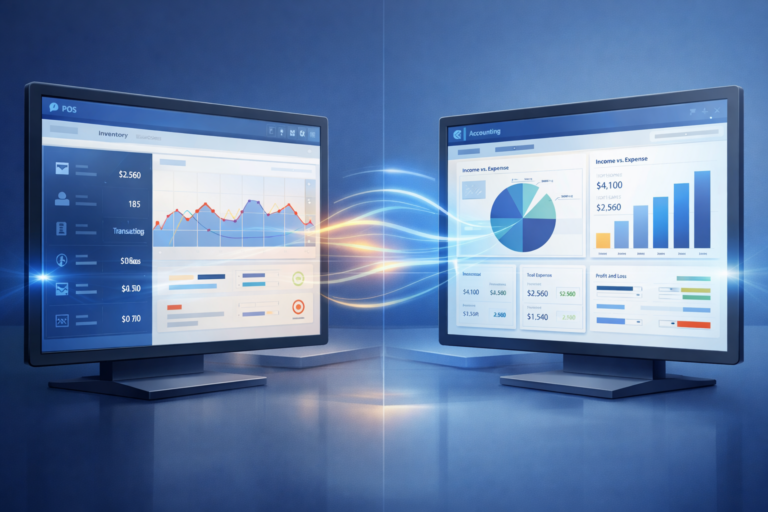
2. Pulling numbers from disconnected systems
If your POS, inventory, and accounting systems are not aligned, reports may look polished while still being wrong underneath.
3. Tracking revenue without enough context
Total sales matter, but so do margins, fees, returns, discounts, and product performance.
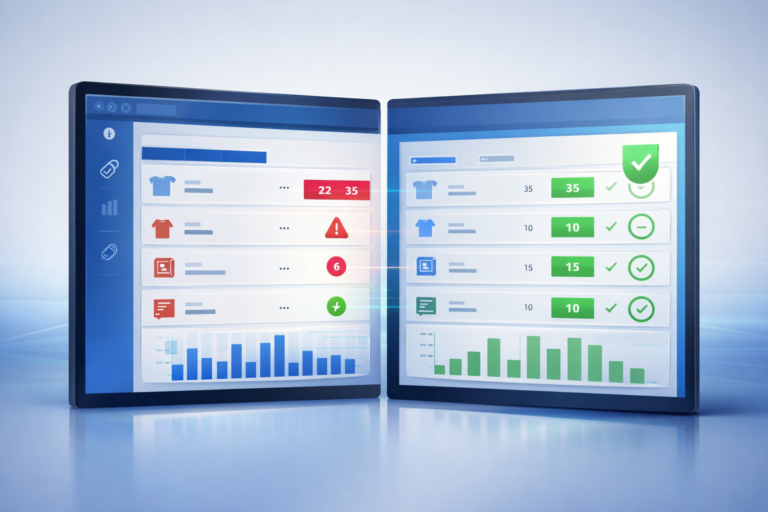
4. Spending too much time on manual report cleanup
If staff must rebuild or verify reports constantly, reporting becomes slow, expensive, and harder to trust.
What bad reporting costs
- Poor purchasing decisions
- Missed profit leaks
- Inventory mistakes
- Unclear store performance
- Slower decision-making
How to improve retail reporting
- Reduce manual reconciliation
- Keep systems connected
- Review real-time or near-real-time numbers
- Measure margin, not just revenue
- Standardize how data is categorized
How Brisk helps
Brisk helps retail businesses reduce reporting friction by improving how operational and financial information work together. The result is cleaner reporting, less manual effort, and better visibility into what is actually driving performance.
Final thoughts
Reporting mistakes are not just annoying. They are expensive. Better reporting starts with better systems and better data flow.
Want clearer reporting for your business? Talk to Brisk about improving visibility and reducing manual cleanup.